1970s · toys
Clackers
Two acrylic balls on a string that you swing until they smack together above and below your hand — loud, addictive, and eventually banned for shattering.
Search on Amazon
(paid link) · As an Amazon Associate I earn from qualifying purchases.
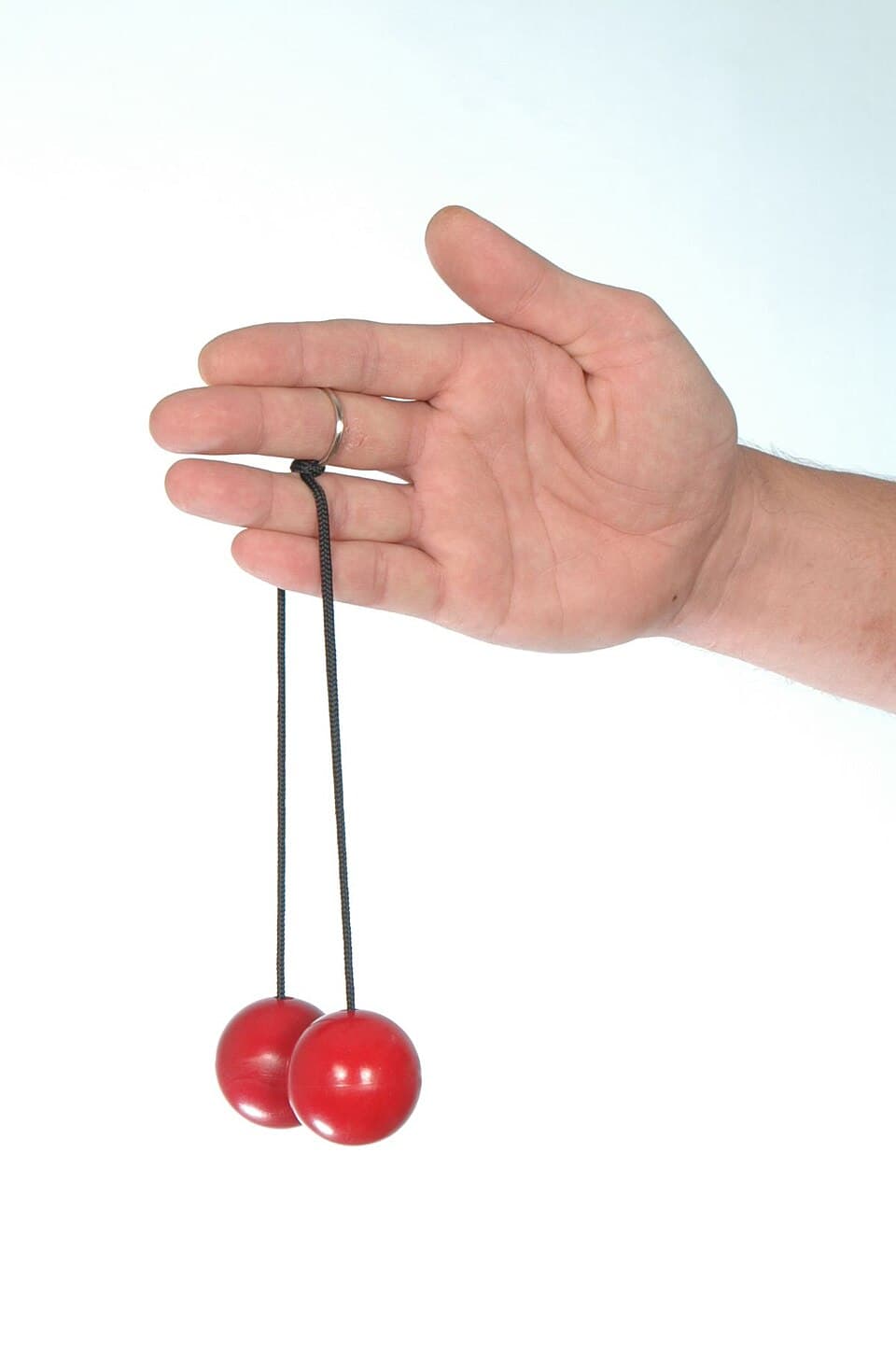
Image: Wikimedia Commons
◆ Did you have this?
👍 I had this💔 I wanted this- Era
- 70s
- Released
- 1968
- Category
- toys
Before you buy
- For an original edition, compare the model name, packaging, and release details with the seller’s photos.
- Check the condition, included accessories, delivery cost, and return terms on the listing before ordering.
From the archive
Watch the commercial
▶ Now playing
The pitch
Swing, clack, repeat. Two balls, one string, and a rhythm that took over playgrounds until the glass ones started shattering.
Why people remember it
- The nonstop clacking sound could be heard from across the playground once someone got the rhythm going.
- Getting the balls to swing all the way around your hand without smacking your knuckles took real practice.
- Early glass versions famously shattered and got pulled from shelves, which only added to the toy's legend.
Did you know?
- Original Clackers used tempered glass balls that could shatter under repeated impact, injuring users.
- By the early 1970s, manufacturers switched to durable plastic balls to address the safety concerns.
- The toy is known internationally by dozens of regional names, from Ker-Bangers to Latto-Lattos.
How people search for it
“click clack balls toy”, “knocker balls string toy”, “clacking balls fad toy”
Questions people ask
- Why were Clackers considered dangerous?
- Early Clackers used tempered glass balls that could shatter on impact, sending sharp fragments flying — later versions switched to plastic.
- What are Clackers also called?
- They're known by many names worldwide, including Ker-Bangers, Klik-Klaks, and Latto-Lattos in parts of Southeast Asia.